Moving to Limassol from the EU: what a home here actually changes
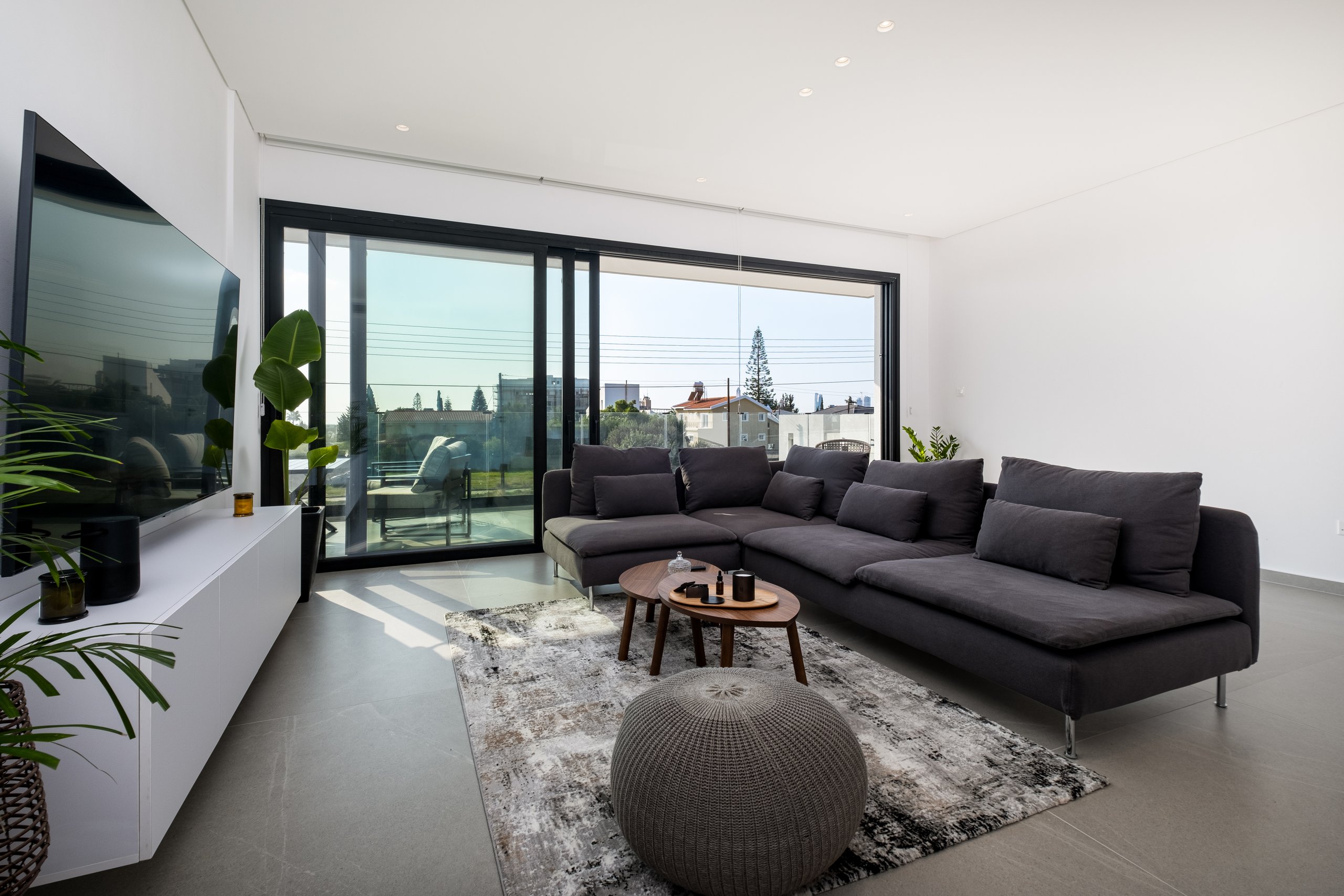
For an EU citizen the legal part of moving to Cyprus is almost boringly simple: you buy property with no restrictions and no permissions, exactly like a Cypriot, and you register your residence with a routine application once you settle. No investment thresholds, no quotas. Which is why the conversations we have with German, Austrian, Polish or Baltic buyers are rarely about whether they can — they are about tax residency, timing, and whether to own or rent first.
Looking for a home now? See current availability →
The 183-day and 60-day rules
Cyprus offers two routes to tax residency. The classic one: spend more than 183 days a year here. The second, unusual in Europe, is the 60-day rule: you can become a Cyprus tax resident by spending just 60 days a year on the island, provided you are not tax resident anywhere else, carry on business or employment in Cyprus (or hold an office in a Cyprus company), and maintain a permanent home here — owned or rented.
That last condition is where a purchase quietly matters: an apartment you own satisfies the permanent-home requirement without lease renewals or landlord dependencies. We are a developer, not tax advisers — the rule has technical conditions, and whether it fits your situation is a conversation for a Cyprus tax professional. But it is the reason a meaningful share of our EU buyers view the purchase as a residency instrument, not just a home.
What ownership costs here — and doesn't
Cyprus has no annual immovable-property tax and no inheritance tax. A new property carries VAT, with a reduced rate available for a primary residence under conditions your lawyer will confirm. Running costs are the building's common expenses and utilities. Off-plan buyers are protected by the contract deposited at the Land Registry, enforceable by specific performance.
Why Limassol specifically
Limassol is where Cyprus's international business actually happens — shipping, funds, technology — with private schools, a long seafront, and a rental market that runs year-round rather than seasonally. Germasogeia and Agios Tychonas, where our residences stand, are the quieter eastern neighbourhoods: residential streets ten minutes from the business district, closer to the sea than to the noise.
Seeing it without the sales tour
Simplicity 1 and 2 are delivered and lived in — we show them as proof of what the drawings become. Viewings are by appointment, in English, Greek or Russian, and the availability and prices on this site come live from our sales records, so what you see is current before you ever get on a plane.
Do EU citizens need any permission to buy in Cyprus?
No. EU citizens buy property in Cyprus with no restrictions or permissions, on the same footing as Cypriot citizens, and with no limit on the number of properties.
What is the Cyprus 60-day rule?
A route to Cyprus tax residency on 60 days of presence a year, available if you are not tax resident elsewhere, have business, employment or a directorship in Cyprus, and keep a permanent home on the island — owned or rented. Its conditions are technical: confirm your case with a Cyprus tax adviser.
Is there an annual property tax in Cyprus?
No. Cyprus abolished its annual immovable-property tax; there is also no inheritance tax. Ongoing costs are the building's common expenses and utilities.